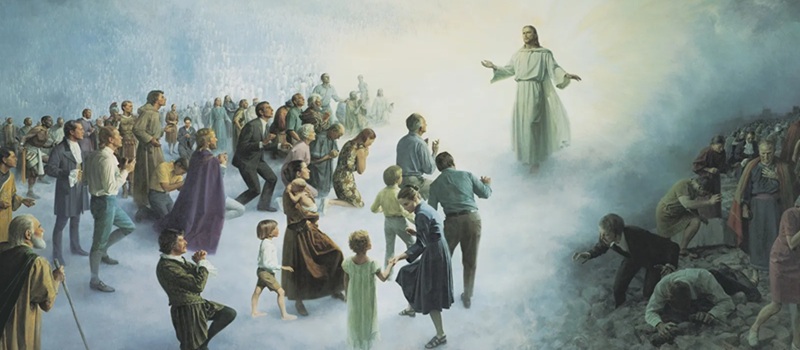
Reflecting on Luke 16:19-31“In Hades, where he was in torment, he looked up and saw Abraham far away, with Lazarus by his side.” (Luke 16:23)
Why does Jesus refer to Hades, from Greek mythology?
“In Greek mythology, Hades is divided into several regions, primarily including Tartarus (for the worst offenders), the Elysian Fields (for the virtuous), and the Asphodel Meadows (for ordinary souls). Each region serves a different purpose based on the deeds of the individuals during their lives.” (greekmythology.com)
Peter also refers to Tartarus, where the fallen angels go (2 Peter 2:4).
They are using the beliefs of that time to point to the final judgment.
Hades, Tartarus and Gehenna, are not real places, but point to real experiences.
Humans are right to expect the final judgment, when we stand before God.
But the ideas associated with these, and ‘hell’, are imaginary, symbolic.
God created the heavens and the earth, this universe as we know it.
God did not create a separate ‘heaven’ or ‘hell’, just in case.
Sin has ruined this ‘very good’ creation, and we have turned it into ‘hell’.
When we die, we await the final judgment (where and how, we don’t know the details).
We should not take these myths literally, but the final judgment is serious!
PRAYER
Lord Jesus, the lesson in this parable is clear: how we live in this life matters, and You will one day ask us to explain ourselves. Teach me the meaning of grace now, so that my only confidence on that day will be Your grace!
Today, once again I will practice the Way, living for Jesus in what I do and say. It is only by His leading and guiding I can do this today. Spirit of God descend upon me. Grace and truth shall mark the Way where the Lord will lead me today and every day. I am a child of God.